This website contains English translations generated by AI and translation software. While we strive for accuracy, translations may not be perfect. In case of discrepancies, the original Japanese text takes precedence.
At night, Siem Reap shifts constantly between noise and calm. That contrast is part of what makes the city memorable.
But after a while, the real fatigue comes less from walking and more from deciding — where to turn next, where to eat, and when to head back.
Street energy changes quickly, so decision timing matters more than speed.
Where night decisions start to stack
Night routes create constant context switching: continue walking, change blocks, call a ride, or return now. Each choice is small, but the accumulation is tiring.
In heat and crowd density, decision fatigue appears before physical fatigue. Predefining one return threshold keeps the flow stable.
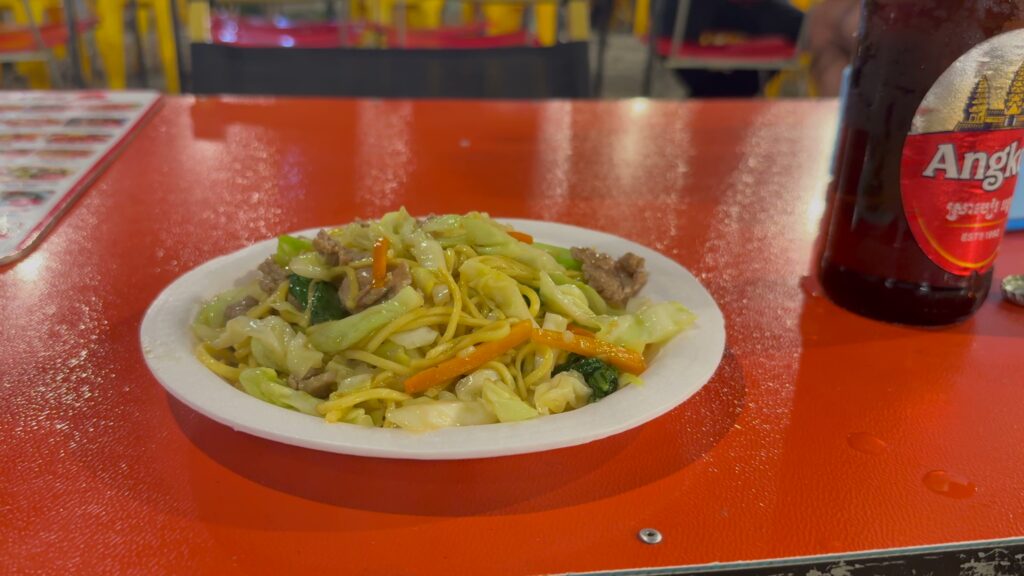
One thing that worked well was choosing restaurants before getting too tired. Once decision fatigue builds up, even simple dinner choices start feeling heavier than they should.
Night fatigue is often a decision-loop problem, not a walking-distance problem.
Why flexible nights feel easier in Siem Reap
A practical setup is simple: one core area, one removable stop, and one fallback return option. This keeps late-night judgment clean.
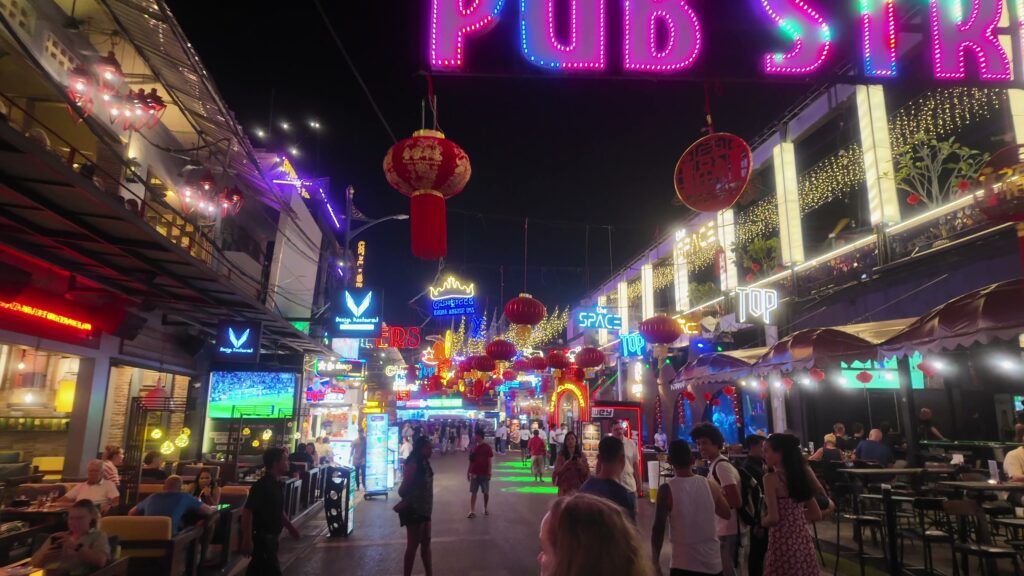
Even late at night, the central area stayed surprisingly easy to walk. Because many streets around Pub Street become pedestrian-focused, the atmosphere felt more relaxed than chaotic.
At the same time, small alleys, open-air restaurants, and tuk-tuk traffic kept the city feeling active instead of overly polished.
Pub Street feels energetic without being difficult to navigate. Open restaurants, neon lights, music, and tuk-tuks create a Southeast Asian night atmosphere that stays surprisingly walkable.
Most dinners around the central area stayed around $8–13 with drinks, while nearby street-food stalls were even lighter on budget.
When return options are prepared, attention stays on experience instead of logistics.
Summary
Night walking works best when decision load is reduced in advance. Clear return logic keeps the entire day lighter.
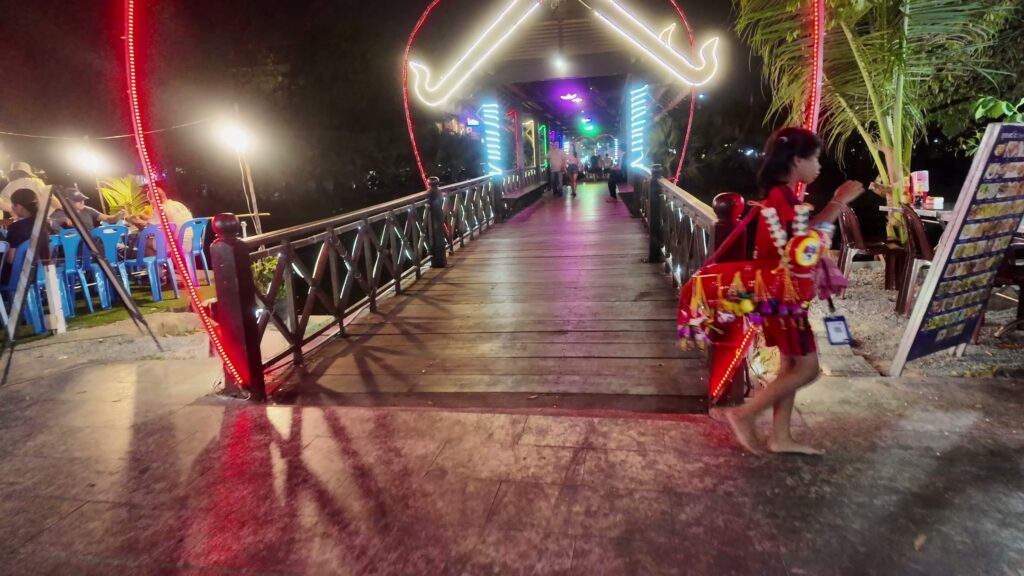
Looking back, the memorable parts of the night were rarely the busiest moments. They were the slower pauses — watching the street from a restaurant seat, crossing quieter bridges, and deciding not to rush the next stop.
Related Videos
For better pacing across a full day, pair this with morning and city-atmosphere videos.
Night friction drops when destination, payment, and return context are prepared before you head out.
TravelPassport Tips for Night Walks
Useful context to keep together
hotel name + ride destination text
payment notes
return route options
walk limit threshold at night
Download TravelPassport Scan the QR code to get started.