
Angkor is the kind of place where it always feels possible to add one more stop.
But during the trip, the real cost was not only distance. Under the heat, every extra stop also meant one more decision about pace, order, and whether it was still worth continuing.
This article is based on a real Siem Reap trip and explains why a lighter route often works better than a fuller one.
- where Angkor days start to feel mentally heavy
- why removable stops matter more than ambitious schedules
- why flexible order matters more than a perfect fixed plan
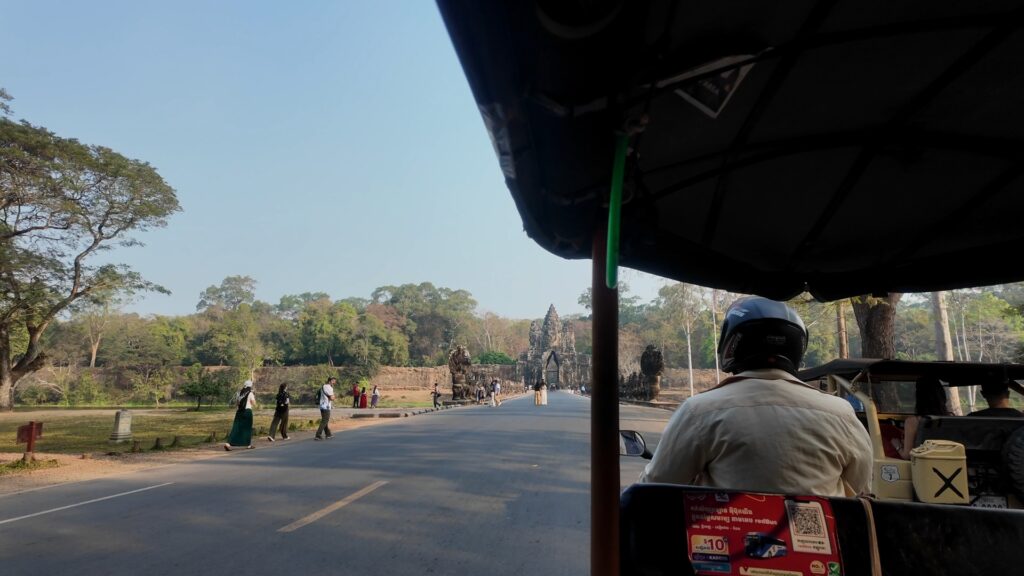
The wider the space feels, the more practical a lighter itinerary starts to look.
When Angkor Days Start to Feel Heavy
What made the Angkor days tiring was not only the walking. It was the combination of sunlight, distance, and constant low-level decision-making. Once you keep asking where to go next, whether to pause, and whether the route still makes sense, attention starts dropping before the day actually breaks.
The mental weight of those decisions is easy to underestimate before the trip.
▶ Watch: when the heat starts to slow the day down (04:20)
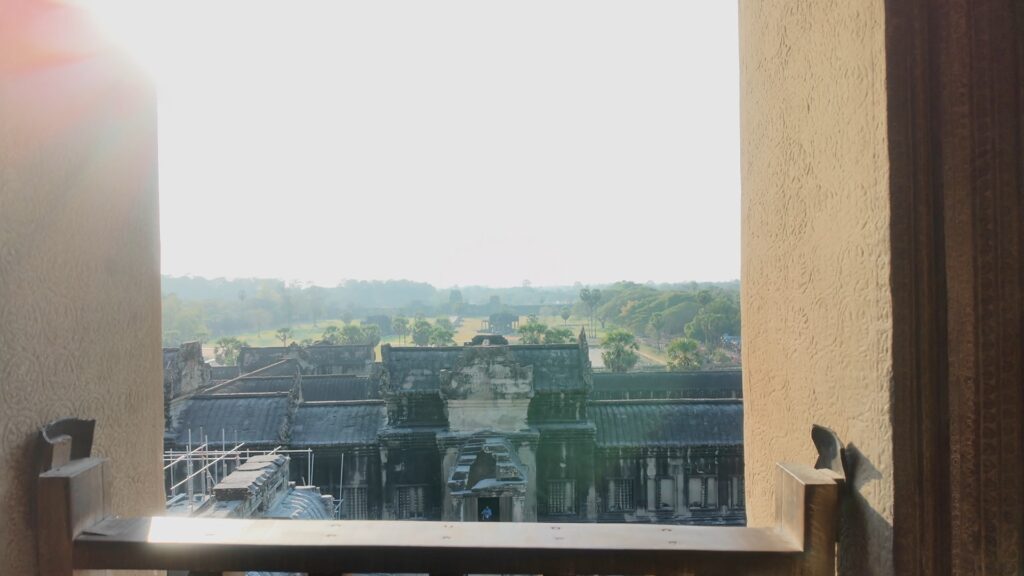
Under the strong sun, even deciding the next stop can start to feel heavier.
In practice, heat in Siem Reap mattered far more than rain. Once heat, movement, and too many choices started stacking up, concentration dropped faster than expected. The more places there were to see, the busier the mind became.
The tiring part of temple days is not only the walking. More stops also mean more transport decisions, more timing decisions, and more chances to ask whether to keep going.
Why Removable Plans Matter More Than Ambitious Plans
One of the most useful shifts during the trip was separating must-do plans from removable plans. That sounds small, but it changed the feel of the day.
Tonle Sap was considered and then left out because it did not fit the main focus. That was not a failed plan. It was a way to protect the rest of the trip from becoming too scattered.
The same logic helped on temple days. In the morning, it could still look realistic to add one more stop after a core visit. But once the sun got stronger, it was easier to treat that extra stop as optional and stop at the Angkor Wat return instead of forcing another temple into the route.
Traveling lighter did not make the trip smaller. It gave the main parts of the trip more room to stay clear.
Angkor Works Better When the Order Can Move
The temple part of this trip was not built as one perfect fixed day. It had multiple blocks: a tour day, northeastern temple visits, a return to Angkor Wat, and a Beng Mealea day. That structure mattered because it made adjustment possible.
When the walking rhythm changes, being able to adjust the route matters more than sticking to it.
▶ Watch: a moment where pace and route flexibility matter (04:50)
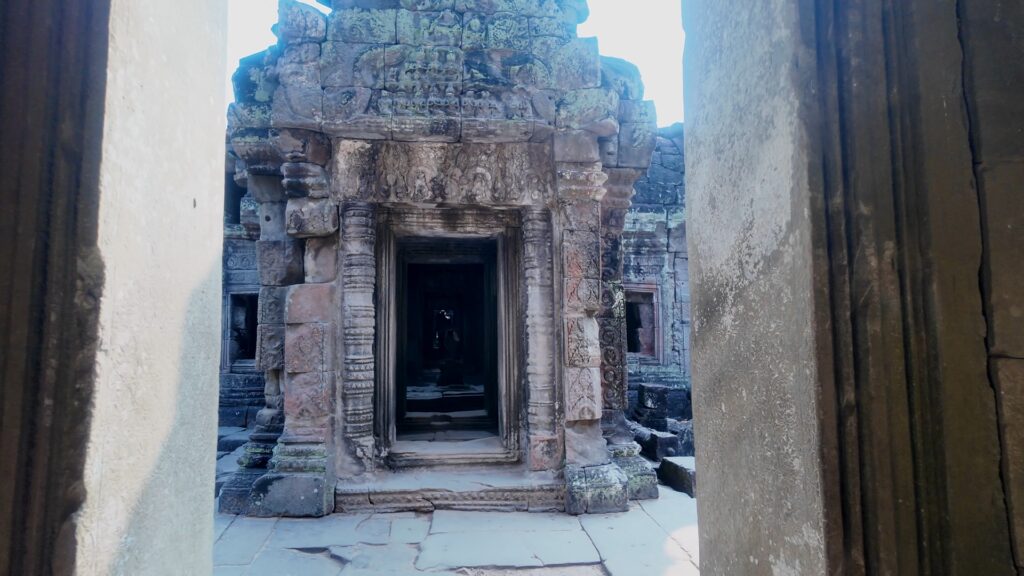
When the walking rhythm changes, being able to adjust the route matters more than sticking to it.
At some point, the real question becomes whether to continue or head back. That happens when the heat is already working on you, when walking is slower than expected, or when the next stop matters less than keeping enough energy for the rest of the trip. There can be a moment around midday when the stone glare starts to feel harsher, you pause longer than before, and continuing feels more like plan maintenance than actual sightseeing.
While moving around Siem Reap, there are also moments when driver input or local conditions make a different order feel more sensible. That kind of flexibility is hard to use if the itinerary behaves like a fragile timetable.
Once the day is held as movable time blocks, it becomes easier to decide what is essential, what can move, and what can be dropped.
This is one reason tuk-tuks or driver-based movement can be useful around Angkor. Their value is not only transport, but waiting, reordering, and cutting without rebuilding the entire day.
Traveling Lighter Means Protecting Attention
In practical terms, “lighter” here did not mean minimalist travel for its own sake. It meant planning around water, sun protection, and the assumption that concentration drops in the heat.
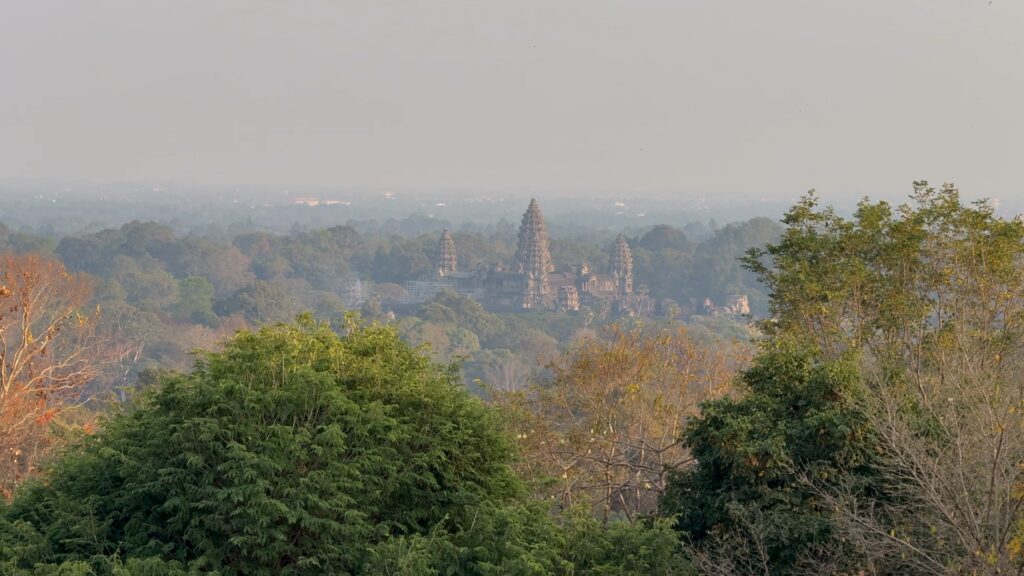
A slower-looking frame makes it easier to see why leaving space in the day matters.
Once that assumption is accepted, the goal stops being “finish every stop.” The goal becomes “keep enough attention to actually see what is in front of you.”
During the trip, it also became clear that skipped stops and changed plans were still part of the experience. Not going somewhere was not empty space. It was part of how the day took shape.
Keeping the changed route and the reason for it together makes the itinerary more usable later.
On days shaped by heat and movement, the useful record is not only the original plan, but also the decisions that changed it.
If you want a concrete route, the 3-day itinerary and 4-day travel guide are useful next reads.
Summary
The best Angkor day is not always the day with the most stops. Once heat, distance, and route decisions start stacking up, seeing more can quietly turn into thinking more.
That is why lighter planning matters. Not because the trip should be smaller, but because attention is limited. A route with removable plans, movable order, and room for fatigue can make the temples feel more present instead of more rushed.
Planning an Angkor Wat itinerary well is less about maximizing the list and more about protecting the part of the day that actually becomes memory.
Related Videos
If you want to see more concrete route examples, these two videos work well as follow-up viewing.
▶ Watch: Angkor Wat in 3 Days | Siem Reap & Hidden Temple Guide
▶ Watch: Siem Reap Travel Guide | 4 Days in Angkor
On days shaped by heat, transport, and changing plans, it helps to keep the route and the reason for each change in one place.
Keep the Decision Context in TravelPassport
TravelPassport fits this topic when the itinerary is treated as something that can move. On days like this, the useful thing is not only knowing the original route. It is keeping track of what changed, what was removed, and why.
That is what makes the product connection feel natural here. Not as a hard sales message, but as a practical way to keep the trip usable when plans stop behaving like a clean checklist.
What to Keep in TravelPassport
- the original route and the order actually used
- stops that were cut because of heat, fatigue, or timing
- driver-facing destination notes and movement context
When the reason behind a plan change stays attached to the itinerary, the trip becomes easier to use both during travel and later.

Download TravelPassport
Scan the QR code to get started.

(iOS)

(Android)
