
Can you travel around Da Nang and Hoi An with only a card? Based on this trip, the approach that felt safest was to treat cash as the default and use cards where they were accepted.
Cash made payment easier at Hoi An Old Town ticket counters, attractions, food stalls, small restaurants, and the convenience stores I used. Card payment was helpful when available, especially for Grab and advance bookings, but I would not build the trip around card acceptance.
Payment methods and exchange rates in this article are examples from the May 2026 trip. Check current details before traveling.
This video gives a broader look at the Da Nang trip.
Short Answer: Cash First, Card Where Available
I could pay by card for Grab, hotel bookings, eSIM, and some cafes and restaurants. I used cash in the following situations:
- Hoi An Old Town tickets
- attraction admission
- small on-site payments such as elevator access
- food stalls and small restaurants
- more local businesses
If you assume that cards will work everywhere, every payment becomes another check. Carrying enough Vietnamese dong removed that uncertainty.
Vietnamese Dong Has a Lot of Zeros
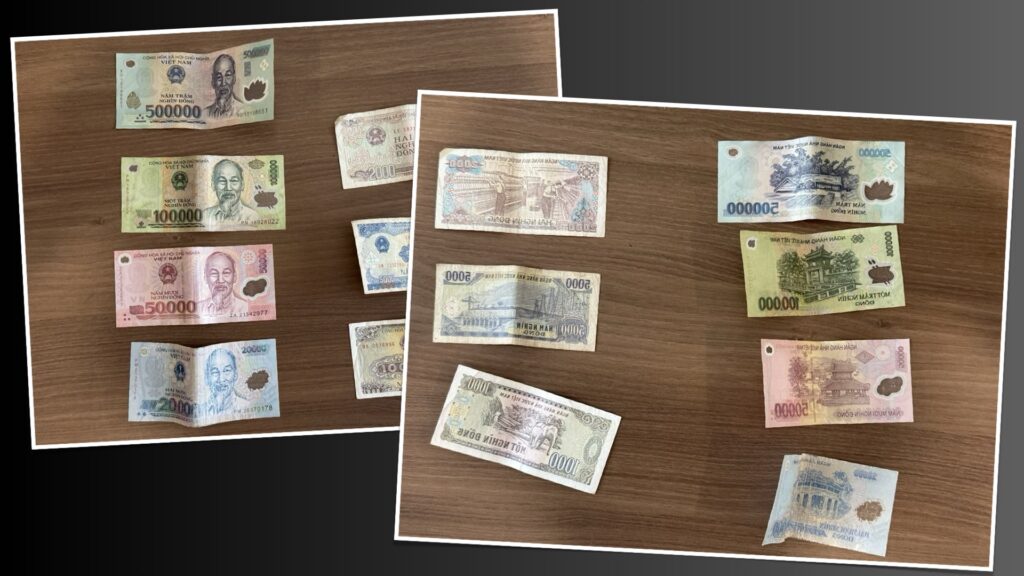
Vietnam's currency is the Vietnamese dong (VND).
The number of zeros was confusing at first. I exchanged about 10,000 JPY, approximately $62 USD using the reference rate for these English articles, and received about 1.65 million VND. For a moment, the large number made it feel as though I had suddenly become rich.
After using the notes for a few days, payment became easier. The banknotes have noticeably different colors, so remembering them by color was faster than repeatedly counting zeros.
The denominations I used most often were 200,000, 100,000, 50,000, and 20,000 VND. Smaller notes often came back as change.
Vietnamese Dong Notes I Used Often
| Banknote | Approx. USD value | Typical use on this trip |
|---|---|---|
| 200,000 VND | about $7.60 | attraction admission and restaurants |
| 100,000 VND | about $3.80 | restaurants and cafes |
| 50,000 VND | about $1.90 | cafes, snacks, and convenience stores |
| 20,000 VND | about $0.76 | drinks and small purchases |
| 10,000 VND or less | about $0.38 or less | change and food stalls |
USD values use the article reference rate of 1 VND = 0.000038 USD. Exchange rates change.
Where I Needed Cash
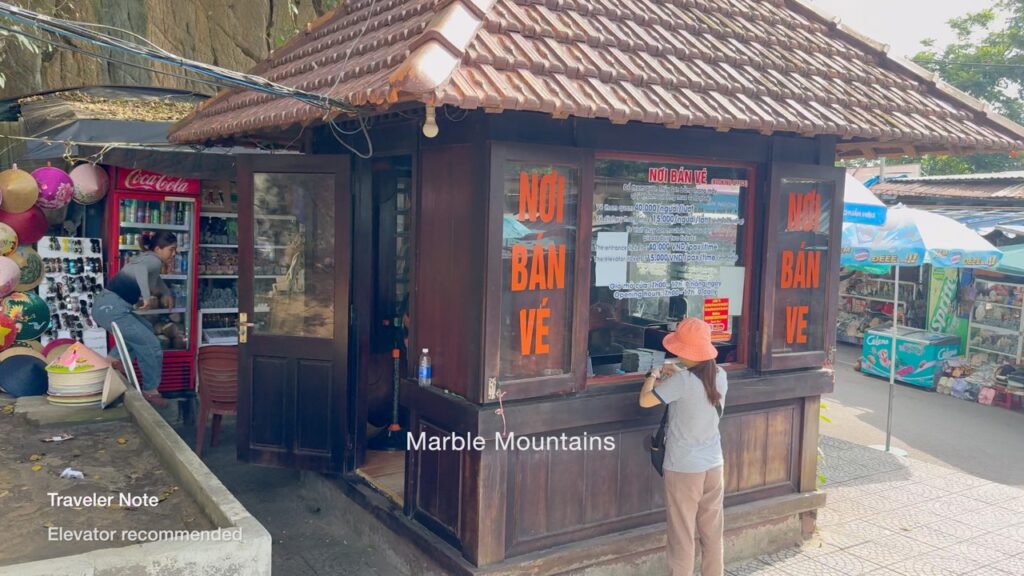
The clearest example was the Hoi An Old Town ticket, which I purchased with cash. Without it, the ticket counter would have interrupted the plan.
I also used cash for Marble Mountains admission and elevator access, My Son Sanctuary admission, food stalls, banh mi, and more local meals.
The convenience stores I visited did not accept my card for these small purchases, so I paid in cash.
Card acceptance at local restaurants could also depend on the amount. Outside larger cafes and restaurants, having cash was the less stressful option.
Cash was less about large expenses than about keeping small payments from interrupting the day.
Where Cards Worked
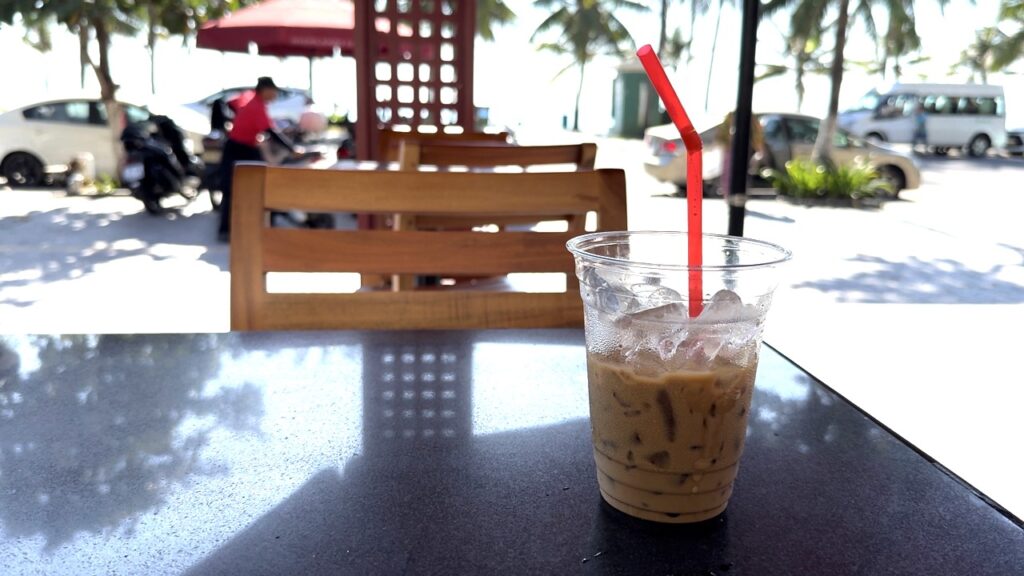
Flights, hotel bookings, Nomad eSIM, Grab, Klook transfers and charters, and some restaurants and cafes were paid by card.
Card payment was especially useful in Grab because I could see the fare in the app and avoid handling cash in the car.
Even when card payment is available, it may depend on terminal availability, network connectivity, or minimum spending requirements. My practical approach was to ask when card payment looked possible and treat successful card use as a convenience, not an assumption.
Cash Felt Even More Important in Hoi An
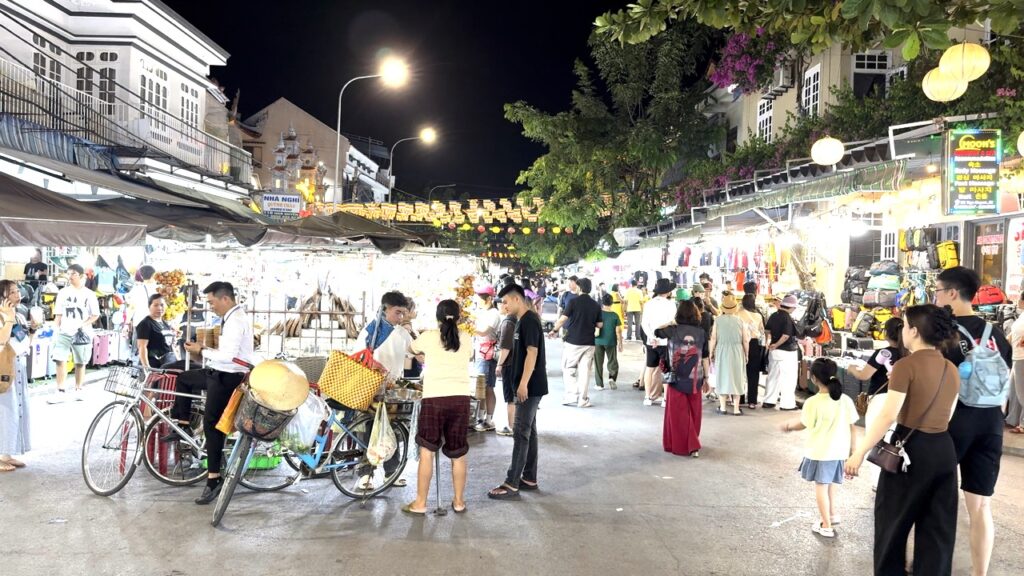
Hoi An felt more cash-dependent than Da Nang. Old Town tickets, food stalls, small shops, and minor purchases during the evening were all easier with cash.
The streets become crowded at night, and each extra payment question adds friction. I would carry smaller notes when visiting Hoi An.
Trip-Time Exchange Notes
During the trip, 10,000 JPY was exchanged for approximately 1,620,000 VND at the airport or a money changer in the city. This was the May 2026 trip-time result, not a current rate.
I would exchange an amount that I realistically expect to spend. Places that exchange leftover VND back into another currency can be limited, and the return rate may be poor.
The money changer I used in the city completed the exchange quickly without asking for identification. The airport counter required a passport, so carrying one when exchanging money is the safer assumption. Requirements may differ by provider.
The important point is not to treat the historical rate as fixed, but to plan in advance for the situations where cash will be needed.
How I Would Organize the Cash
Notes of 100,000 VND or less were particularly convenient for everyday payments.
- Hoi An Old Town tickets
- attraction admission
- food stalls and small restaurants
- minor payments
- backup money
Keeping only the amount needed for the day easy to reach, instead of storing all cash in one wallet, also made payment easier in crowded places.
How TravelPassport Fits
Hoi An Old Town, Marble Mountains, My Son, food stalls, and cafes did not all use the same payment methods. Keeping notes such as "cash needed for this ticket" or "card worked here" with the itinerary reduces the checks you need to make at the counter.

Download TravelPassport
Scan the QR code to get started.

(iOS)

(Android)
Final Verdict
Cards were accepted in some parts of the trip, but I recommend carrying enough cash for everyday spending. Old Town tickets, attraction admission, food stalls, small restaurants, and the convenience stores I used were all easier or only possible with cash.
The most realistic balance was to use smaller cash as the default and treat card payment as a welcome convenience when available.
- Carry slightly more cash than the exact amount you expect to need. Many attractions and local businesses I visited primarily used cash.
- Learn the banknotes by color. The zeros were confusing at first, but color made the common denominations easier to identify.
- Smaller notes matter. I frequently used 20,000 VND and notes of 10,000 VND or less at stalls, cafes, and when receiving change.
- Card acceptance may come with conditions. Some restaurants I used accepted cards only above a minimum spend, so carrying cash remained the safer choice while sightseeing.
Related YouTube Videos
Want to see these payment situations in real life?
These videos show the actual places where I used cash and cards during the trip.
