
Planning Angkor Wat can get confusing fast.
This 4-day itinerary cuts through the noise — so you can just follow it and enjoy the trip.
It’s based on a real trip, including what worked, what didn’t, and how to move efficiently between temples and the city.
You can follow this plan as-is, or import it into TravelPassport — so you don’t have to think about what’s next.
Most itineraries look good on paper — this one is built to actually work on the ground.
- This itinerary is for:
- First-time visitors to Angkor Wat
- Travelers who want a balanced trip (temples + city + relaxed time)
- People who prefer a clear plan instead of figuring things out on the spot
- Why this itinerary works:
- It follows the natural flow of Angkor (Small Circuit → Big Circuit)
- It avoids peak crowds where possible
- It balances sightseeing and rest, so you don’t burn out
- It’s realistic — no overpacked schedules
Day 1 - Arrival in Siem Reap (Getting to the City)
Day 1 is all about getting to Siem Reap and settling in.
Most international flights arrive in the late afternoon or evening, so don’t plan anything ambitious for this day. The goal is simple: get to your hotel smoothly and rest.
The new Siem Reap–Angkor International Airport is located quite far from the city center (about 1 hour by car), so transportation needs a bit of planning.
The easiest and most reliable option is to use Grab or arrange a hotel pickup in advance.
In my case, I used Grab, which cost around $35. The price is fixed in the app, so there’s no need to negotiate — especially helpful if it’s your first time in Cambodia or arriving at night.
Compared to dealing with taxis at the airport, it felt much safer and more predictable.
If you’re arriving late, avoid negotiating with random drivers at the airport.
Using Grab or a hotel transfer will save you time and reduce stress.
▶ Watch: Airport to City Transfer (0:23)
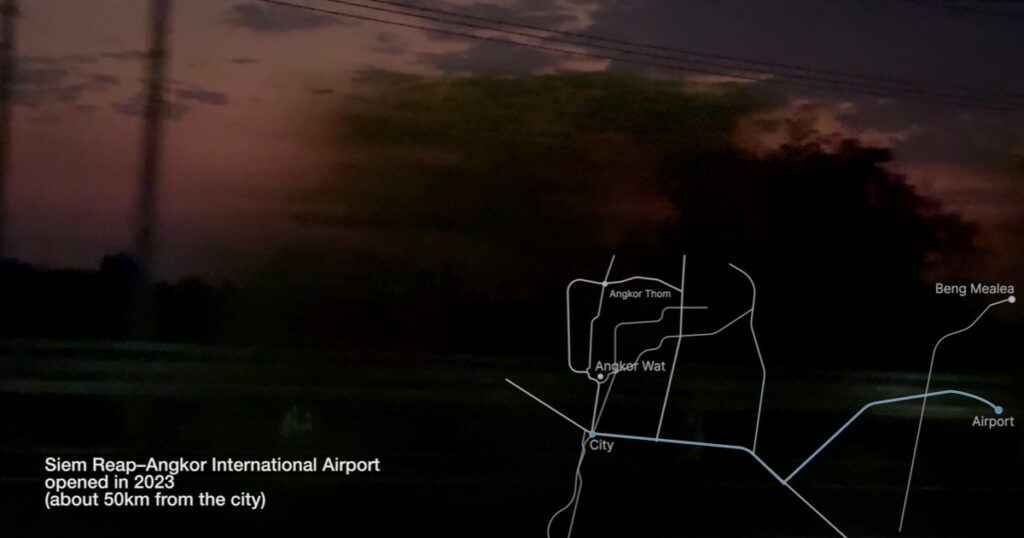
After checking in, I took a short walk and had dinner at a nearby café. Siem Reap is relatively calm at night, and even small local restaurants are easy to enter. It’s a good way to ease into the trip without overthinking anything.
If you want to keep your arrival details, hotel info, and transport in one place, you can add everything into TravelPassport before your trip.
Since Day 2 starts early with the Angkor Wat sunrise, it’s best to rest early and save your energy.
Day 2 - Angkor Wat Sunrise & Small Circuit (The Highlight Day)
Day 2 is the highlight of the trip.
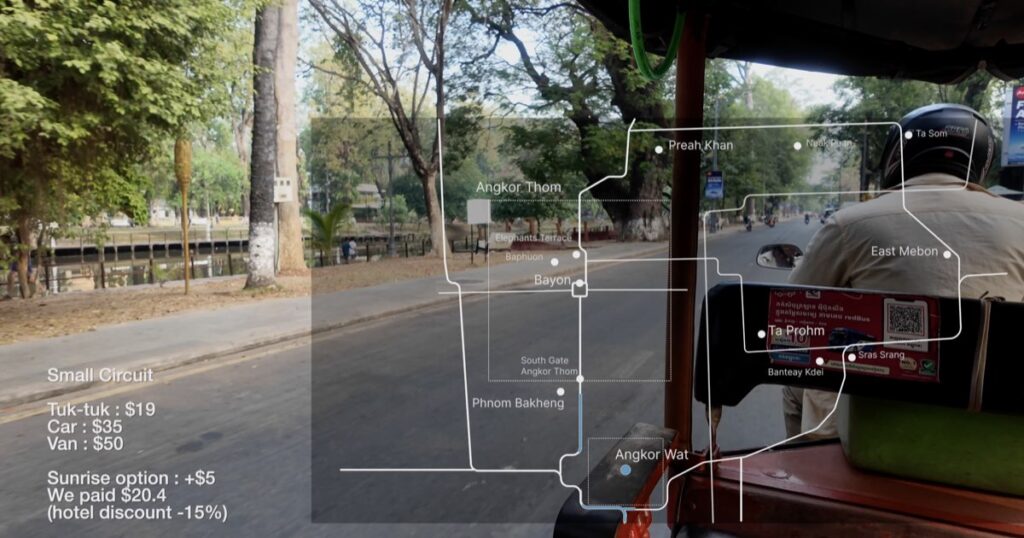
You’ll start early for the Angkor Wat sunrise, then spend the rest of the day exploring the Small Circuit — the most efficient way to see the main temples around Angkor.
The Angkor Wat sunrise is one of those moments that makes the entire trip worth it.
But it also gets crowded — very crowded.
Instead of focusing on getting the “perfect spot,” it’s better to arrive early, find a decent place, and enjoy the atmosphere as the light slowly changes over the temple.
- Sunrise time changes throughout the year, so check with your driver or hotel the day before
- Most people leave around 5:00 AM, but exact timing depends on the season
- Don’t stress too much about positioning — just being there is already special
You’ll need an Angkor Pass to enter the temple area.
Buying it online in advance can save time in the morning.
▶ Watch: Angkor Wat Sunrise (0:48)
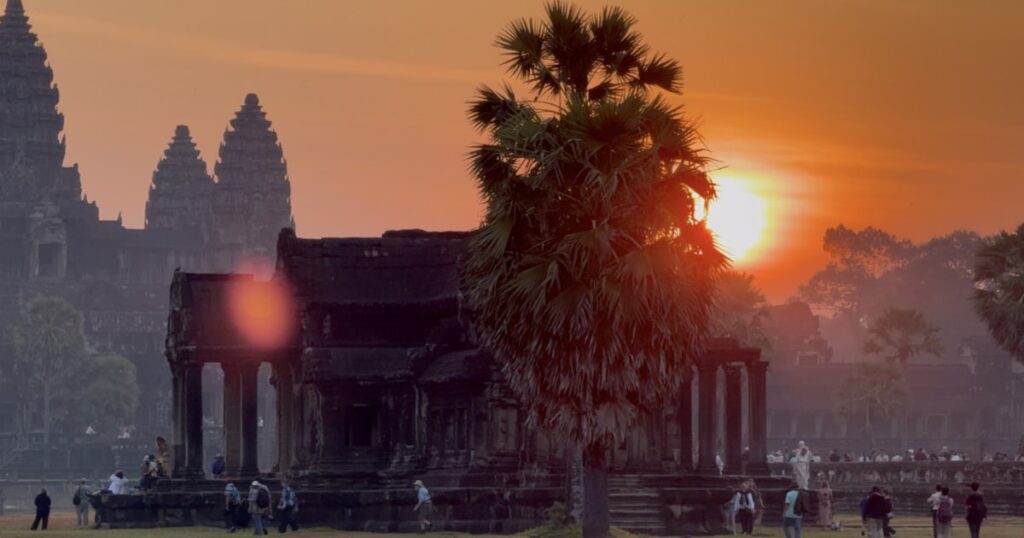
After sunrise, continue with the Small Circuit.
This route covers the major temples efficiently and is the best choice for your first visit.
▶ Watch: Small Circuit Route (01:16)
- Start early to avoid the worst of the crowds
- Take breaks when needed — it’s a long and hot day
- Don’t rush every temple — it’s better to enjoy a few properly than skim everything
Hiring a tuk-tuk driver for the day is the most common option.
In my case, I booked it through the hotel for around $20–30 per day. The driver waited at each stop and followed the route smoothly, which made the day much easier.
You don’t need perfect English — simple communication is enough.
Bring water, some cash, and be prepared for the heat.
Some temples involve steep stairs and a lot of walking, so pace yourself and take breaks when needed.
Day 2 is physically demanding, but it’s also the most rewarding.
You’ll see many of the iconic temples in a single day, and it gives you a strong sense of the scale and atmosphere of Angkor.
Day 3 - Slow Day in Siem Reap (City Walk, Café & Night Market)
After a full day of temples, Day 3 is all about slowing down.
Instead of rushing to more ruins, take time to explore Siem Reap itself — the cafés, markets, and everyday atmosphere around the city.
Start your day with a relaxed walk around the Old Market area or along the river.
Siem Reap is easy to explore on foot, and you’ll find plenty of small cafés where you can take a break and enjoy the slower pace.
This slower day helps you appreciate the trip more.
After seeing Angkor, spending time in the city gives you a different perspective — not just the temples, but how people actually live here.
If you want more context about Angkor, the Angkor National Museum is worth visiting.
It helps connect what you saw on Day 2 and makes the temples easier to understand.
You can adjust this day depending on your pace.
Some travelers even swap Day 2 and Day 3, or skip the museum entirely — this is your flexible day.
▶ Watch: Siem Reap City Walk (05:25)
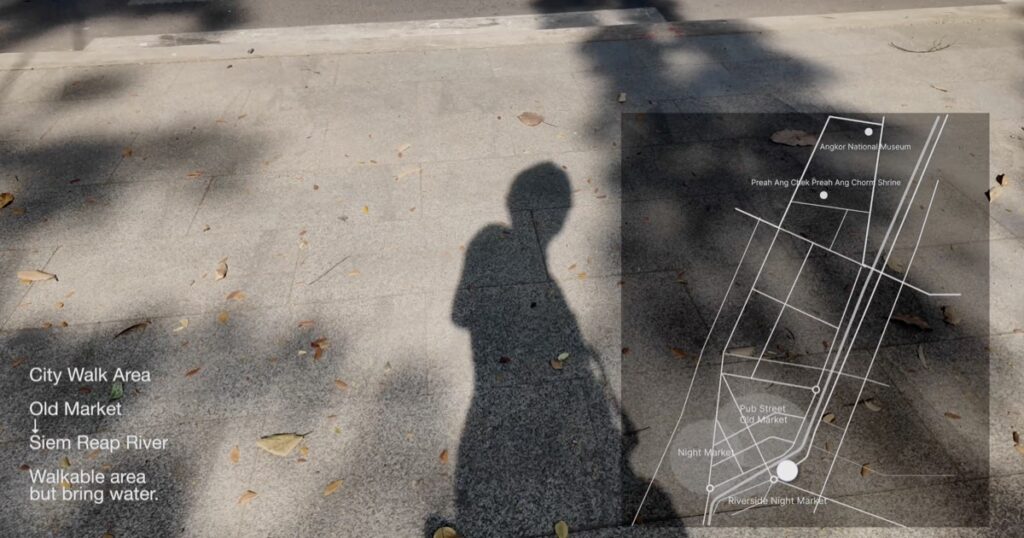
In the evening, head to Pub Street and the Night Market area.
It’s lively, a bit chaotic, but fun — completely different from the temples.
You’ll find restaurants, bars, street food, and souvenir shops all packed together.
Even if you’re not into nightlife, it’s worth walking through just to feel the energy.
▶ Watch: Night Market & Pub Street (06:59)
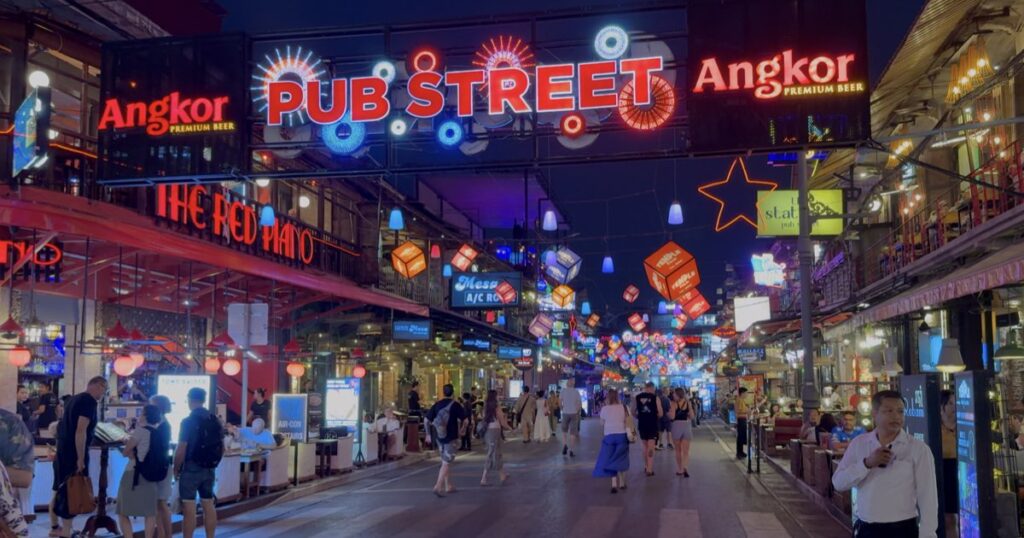
Day 3 gives you breathing room in the itinerary.
By slowing down, you’ll enjoy the trip more — and have the energy for the final day.
Day 4 - Big Circuit & Sunset at Phnom Bakheng (A Perfect Final Day)
Day 4 takes you beyond the main temples.
The Big Circuit covers a wider area with fewer crowds, giving you a quieter and more relaxed experience compared to Day 2.
You’ll still need your Angkor Pass for this day, so make sure to keep it with you.
▶ Watch: Big Circuit Route (07:35)
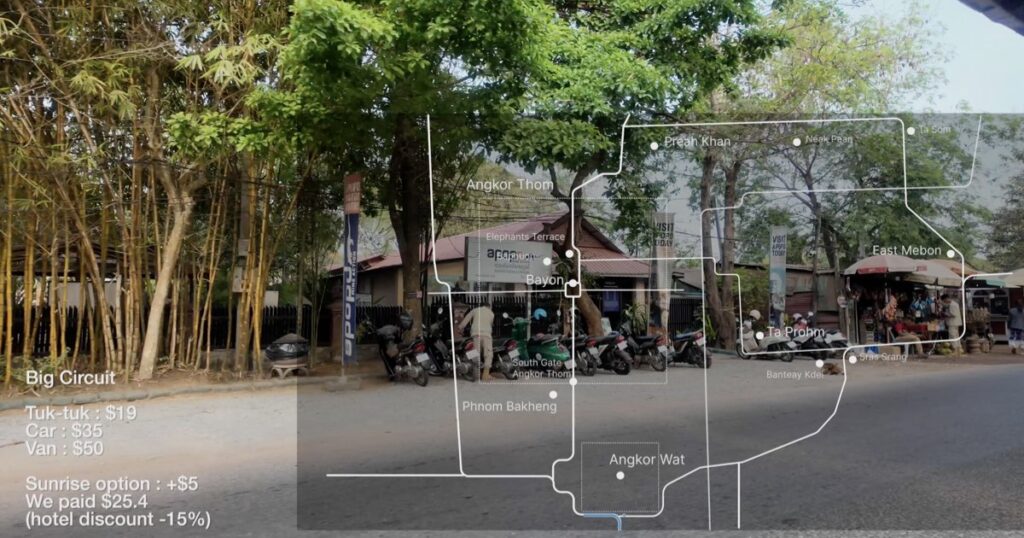
- Start a bit later — no need for an early morning today
- It’s still hot, so take breaks and don’t rush
- Some temples are less crowded, so take your time and explore
Many travelers return to the hotel in the afternoon to rest before heading out again.
This break makes the day much more enjoyable, especially after several active days.
In the evening, head to Phnom Bakheng for sunset.
It’s one of the most popular sunset spots in Angkor, offering a wide view over the surrounding jungle and temples.
▶ Watch: Phnom Bakheng Sunset (09:03)

- It can get crowded, so arriving earlier helps
- The climb is short but steep, so wear comfortable shoes
- Your driver can help you decide the best timing
Day 4 is a perfect way to wrap up your Angkor experience.
It’s less intense than Day 2, but more reflective — giving you time to take it all in before the trip ends.
Day 5 - A Slow Morning & Departure
Your final day in Siem Reap is all about taking it slow.
After a few active days, this is the time to relax, reflect, and enjoy the last moments of the trip.
Start your morning at a café or take a short walk around the city.
There’s no need to rush — even doing very little can be the perfect way to end the trip.
If you still have time and energy, you can visit Beng Mealea.
It’s located farther from the city and feels very different from Angkor — more raw, more overgrown, and less structured.
It’s a longer trip, and the road can be rough in some parts, so plan accordingly.
In my case, I arranged a tuk-tuk directly with the driver, which made the day feel more flexible.
▶ Watch: Beng Mealea & Morning in Siem Reap (09:33)
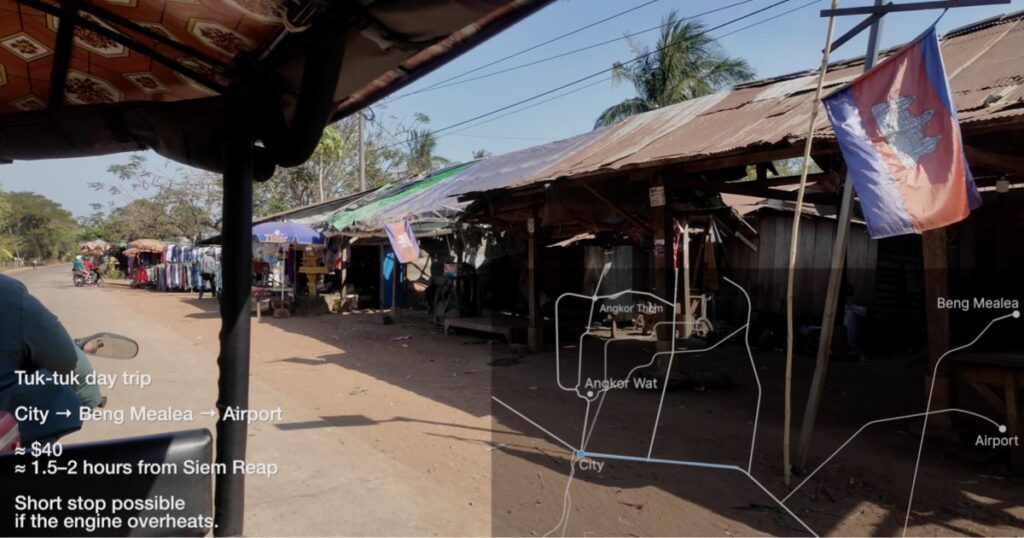
Note that Beng Mealea requires a separate ticket and is not included in the Angkor Pass.
It’s best to purchase it online in advance or confirm details with your driver.
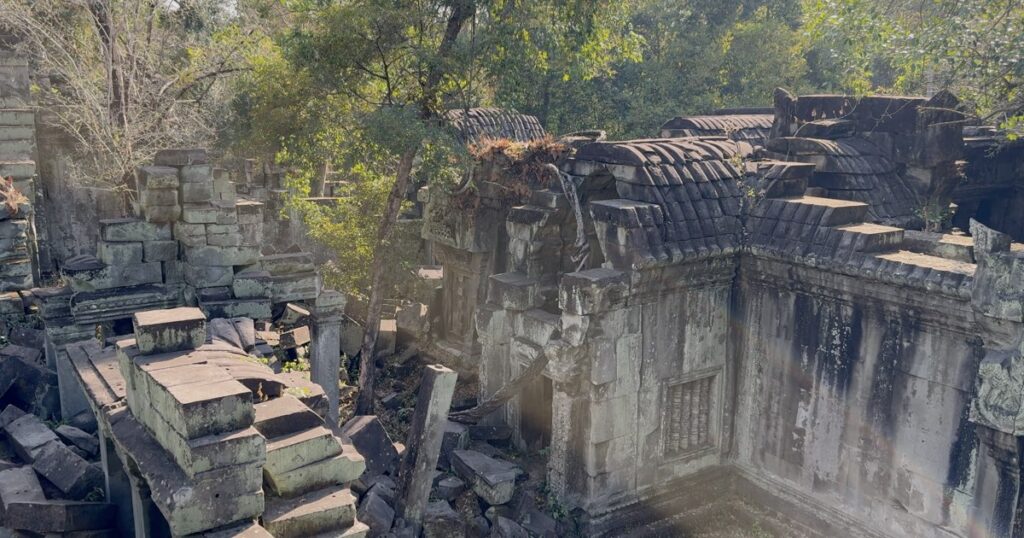
Beng Mealea offers a completely different atmosphere compared to the main temples.
It feels almost untouched, like discovering a hidden part of Angkor.
Depending on traffic, the trip can take around an hour or more.
Booking your transport in advance or using Grab can make things smoother.
If you’ve followed this itinerary, you probably noticed how many small details go into a smooth trip.
Transport, tickets, timing, and notes can easily get scattered.
Keeping everything in one place makes a big difference — especially when plans change on the go.
That’s exactly what TravelPassport is designed for.
Why This Itinerary Works
This itinerary is designed based on an actual trip — not just a list of places.
It follows the natural flow of Angkor, starting with the Small Circuit and expanding to the Big Circuit, so you don’t waste time going back and forth.
It also avoids peak crowds where possible and balances busy sightseeing days with lighter, more relaxed moments.
Instead of trying to see everything, it focuses on what actually matters — so you can enjoy each place without rushing.
The result is a trip that feels both efficient and memorable.
- Follows the most efficient temple routes (Small Circuit → Big Circuit)
- Minimizes unnecessary travel time
- Balances sightseeing and rest
- Designed for first-time visitors
- Based on real experience, not theory
Travel isn't about seeing more — it's about experiencing better.
This plan helps you focus on what matters, without getting overwhelmed by choices.
Watch the Real Experience
These videos give you a better sense of what the trip actually feels like — from the atmosphere of Siem Reap at night to moving between temples by tuk-tuk.
Copy This Itinerary to TravelPassport
This itinerary is formatted based on how it was actually used during the trip.
You can copy and paste it directly into TravelPassport to recreate the same experience — without having to think through every detail again.
Dates are automatically adjusted, so you can use it for your own trip with minimal changes.
Some parts are written in simple English so you can show them directly to your driver if needed.
Paste from AI

Download TravelPassport
Scan the QR code to get started.

(iOS)

(Android)
