
When people think of Siem Reap, they usually picture Angkor Wat and the surrounding temple ruins.
But after actually staying there, what stayed with me most wasn’t only the temples.
The quiet riverside mornings. The intense afternoon heat. The city slowly lighting up after sunset.
Siem Reap felt less like a place to “check off attractions,” and more like a city whose entire atmosphere changes throughout the day.
During this trip, I realized that the experience became much easier once I stopped trying to maximize efficiency and started paying attention to timing instead — when to walk, when to rest, and when to slow down.
In this article, together with the video “Siem Reap – From Dawn to Neon”, I want to capture the changing rhythm of Siem Reap from early morning to late night.
One thing I noticed throughout the trip was how aware I became of sunrise and sunset. With almost no tall buildings or nearby mountains, the sky in Siem Reap felt incredibly wide and open.
Mornings in Siem Reap Were Surprisingly Quiet
Early mornings in Siem Reap felt completely different from the neon energy around Pub Street at night.
The streets were still calm, and the riverside moved at a slower pace.
There were fewer tuk-tuks, fewer tourists, and more moments where it felt like the city belonged to locals again.
I especially felt this on mornings heading toward Angkor Wat for sunrise. Morning was the easiest time to think clearly about the day ahead.
Because the afternoon heat in Siem Reap can become exhausting surprisingly quickly, the amount of space and energy you preserve in the morning changes the entire feel of the day.
▶ Watch the video: Quiet morning scenes in Siem Reap (00:17)
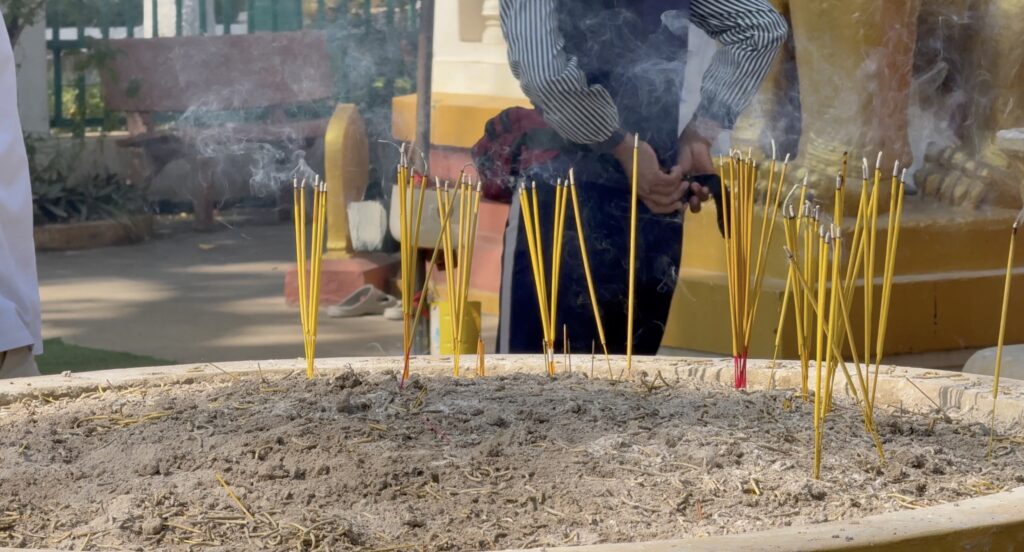
Walking upstream along the Siem Reap River near the Old Market area in the morning, I saw people cleaning the streets, jogging, fishing, and quietly starting their day. Local temples were already filled with worshippers, and it gave me a strong sense of how deeply Buddhism shapes daily life here.
By Afternoon, the City Feels Much Harder
Afternoons in Siem Reap can be surprisingly demanding.
The temple areas are intense, of course, but even inside the city the heat drains both energy and focus very quickly.
What exhausted me most wasn’t necessarily the distance I walked — it was constantly deciding what to do next.
As the day got hotter, even small decisions started to feel heavier:
- Where should I rest?
- Should I continue to another temple?
- Should I call a Grab?
- Do I need a cafe break?
- Should I cut something from the plan?
That’s why I eventually realized that leaving space in the schedule mattered more than trying to see everything.
Returning earlier than planned, slowing down in the afternoon, or intentionally scheduling breaks made the trip feel far more enjoyable overall.
▶ Watch the video: The atmosphere of Siem Reap during the day (00:50)
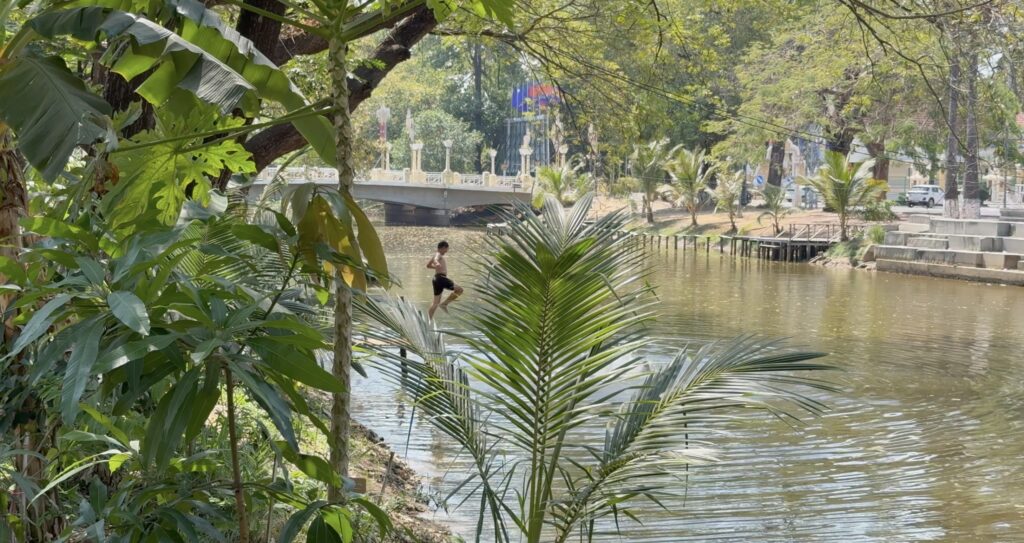
As the heat intensified, I noticed children playing in the Siem Reap River while tuk-tuk drivers rested in hammocks tied to riverside trees. The city seemed to slow itself down naturally. During the hottest part of the day, I escaped into the Angkor National Museum to cool off and quietly reconnect the history behind the temples I had been visiting.
The Siem Reap River is more than just a city river — historically, it was part of the massive water management system that supported the Angkor civilization.
At Night, the City Starts Moving Again
Once the sun goes down, Siem Reap slowly comes back to life.
The area around Pub Street fills with tourists, neon lights, music, and the unmistakable energy of Southeast Asia after dark.
But personally, what stayed with me most wasn’t the crowded center itself — it was the atmosphere just outside it.
Walking along the river at night felt completely different from the daytime heat. It was as if the city had finally started breathing again.
By this time of day, there was finally enough mental space to review footage, organize plans for tomorrow, or simply sit and reflect on the trip itself.
▶ Watch the video: Siem Reap as the neon lights come alive (01:58)
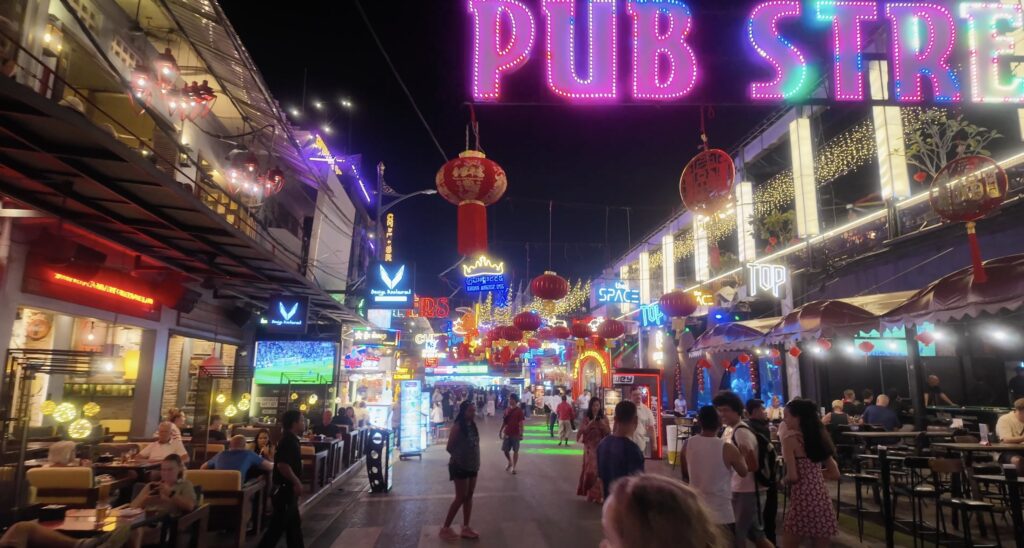
The main roads near Pub Street are busy during the day, but they somehow feel even more alive at night. Crossing the street becomes less about waiting for traffic to stop and more about slowly moving with the flow. Once the sunset disappeared beyond the river, the city transformed into a glowing maze of neon signs, music, and warm night air.
Siem Reap Is More Than Just the Temples
This video also includes scenes from the Angkor National Museum and local temples around the city.
But the goal wasn’t simply to introduce tourist spots.
What struck me most about Siem Reap was that the city itself has a rhythm. Once you stop treating it like a checklist of attractions, the entire experience changes.
Of course, Angkor Wat was breathtaking. But in the end, what shaped the memory of the trip just as much were things like:
- quiet mornings
- the intensity of the afternoon heat
- resting in cafes
- the glow of neon at night
- walking along the river after dark
Those moments outside the temples made the entire trip feel more layered, personal, and alive.
One thing that stayed with me was watching quiet riverside spaces slowly transform into lively bars and neon-lit restaurants as evening approached. After dinner, I found myself stopping for a drink and quietly becoming part of the scene instead of just observing it.
Final Thoughts
Siem Reap didn’t feel like a city designed for rushing through attractions.
Instead, it felt like a place where the atmosphere changes completely depending on the time of day.
Quiet mornings. Intense afternoons. Neon-filled nights.
Once I stopped trying to maximize every hour and allowed space for the city itself, the trip became much more memorable.
If you visit Siem Reap, I’d recommend leaving room not only for Angkor Wat, but also for the slower moments before and after the temples.
Related Videos
Watching the city walks and temple visits together makes it easier to understand the rhythm of Siem Reap as a whole.
Using TravelPassport to Leave Space in Your Trip
One thing that helped a lot during this trip was organizing not only “places to visit,” but also the places where I could slow down.
- quiet morning walking areas
- cafes to escape the afternoon heat
- relaxing areas for the evening
- places I wanted to revisit next time
- travel notes organized together with AI
Especially in a city as hot as Siem Reap, organizing “where to rest” can be just as important as organizing “where to go.”

Download TravelPassport
Scan the QR code to get started.

(iOS)

(Android)
