
During a trip around Angkor Wat in Siem Reap, I realized the day felt lighter not because I visited more places, but because I started the morning better.
A quiet morning made transport, payment, and route-change decisions easier before the heat and temple movement began.
What made the trip tiring was not only the walking distance.
“Where should I go next?” “Should I keep going?” “Should I return to the hotel?” Under the heat, small decisions like these added up more than expected.
You can also watch the short video that matches the atmosphere of this article.
Why starting the morning calmly made the day easier
▶ Watch: a quiet morning street away from the main road (00:13)
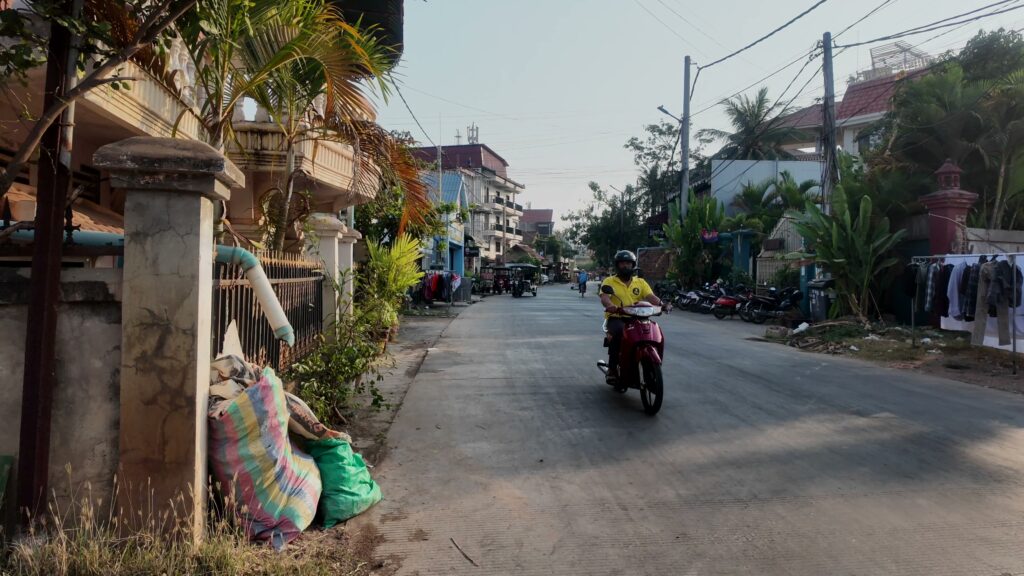
Before leaving the hotel, checking payment method, destination, contact details, and ticket PDFs helped reduce hesitation outside.
In Siem Reap, small checks continued throughout the day: calling Grab, confirming cash, checking the map, and deciding where to go next.
Using the quiet morning to prepare made it easier to move from “where should I look?” to “I can decide now.”
Without that reset, the same checks came back every time I moved, and decision fatigue slowly built up.
A simple morning flow that worked in Siem Reap
- Take a short walk along the river
- Use a cafe to review the day’s route
- Decide later in the morning whether to head toward the temples
Before 7 a.m., Siem Reap still felt relatively quiet. There was less traffic, and the air had a little more room in it.
Deciding how far to go during that time made the rest of the day feel much easier.
▶ Watch: a short walk along the Siem Reap riverside (00:44)

What I decided not to do in the morning
- No fixed early-morning move to a far temple
- No chain of multiple spots from the start of the day
- Keep the option to continue or return
▶ Watch: the quiet riverside night market area in the morning (00:39)
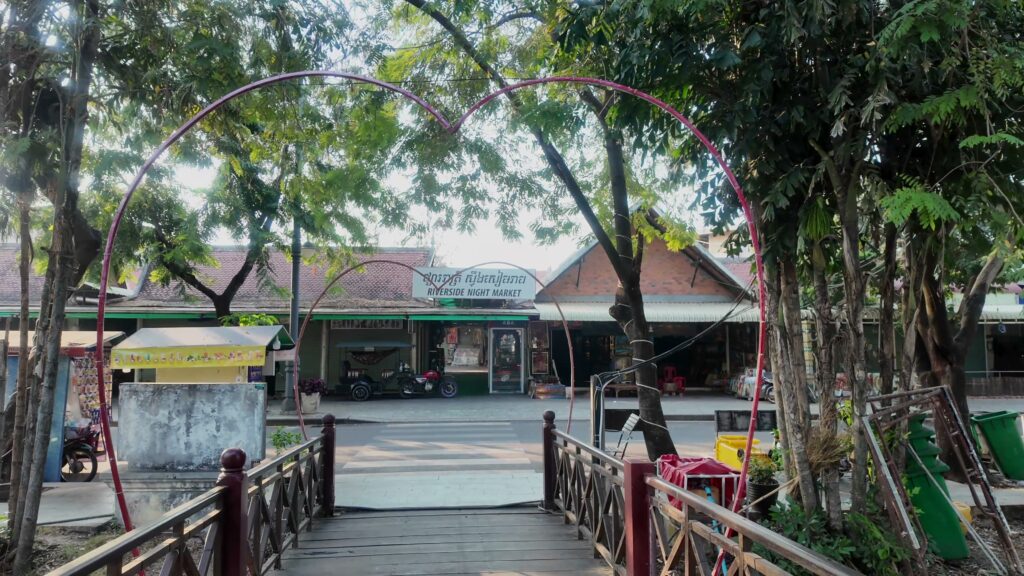
On this trip, I did not build the morning around a fixed move to a distant temple.
When the plan is too fixed, it becomes harder to adjust once heat or fatigue starts to appear.
Leaving enough room to decide “this is enough for today” made the whole trip feel lighter and more satisfying.
Summary
Having a quiet morning lowered the decision fatigue of the whole day. Instead of trying to visit more places, the trip felt more stable when I created room to decide calmly.
During this trip, it helped to keep the day’s destination, hotel information for Grab, ticket PDFs, and payment notes together by trip.
Especially in a place like Siem Reap, where heat and movement decisions continue throughout the day, it was more important to be ready to decide than to keep searching for the next piece of information.
TravelPassport fit this kind of trip because it helped keep the information needed for lighter travel close at hand.
Related Video
This video shows the quieter side of Siem Reap — from early morning streets to slower moments between temple visits.
Keep your travel information together with TravelPassport
Instead of repeatedly searching through screenshots, emails, and PDFs during the day, keeping travel context together made decisions much easier on the ground.
During travel, you do not only decide where to go. You also decide what to postpone, what to skip, and when to return.
When the information you need is easy to find, those on-the-ground decisions become much lighter.
What you can keep in TravelPassport
TravelPassport helps you create and manage travel itineraries from information you already have, such as conversations with AI or itinerary documents sent by travel agencies.
- Itineraries, flight bookings, hotel bookings, emails, and PDFs
- Travel plans created through conversations with AI
- Tour vouchers, attraction tickets, and other travel documents

Download TravelPassport
Scan the QR code to get started.

(iOS)

(Android)
